A forklift changes direction at a cross aisle. A washdown leaves moisture near a drain. A pallet jack crosses a damaged joint. These are ordinary plant-floor conditions, and they are where plant floor safety improvements either perform or fail. Safety is not created by warning signs alone. It is built into the floor's traction, flatness, joint condition, drainage, visibility, and ability to withstand the traffic and cleaning routine of the operation.
For plant managers and facilities leaders, the question is not whether a floor can look good at turnover. The question is whether it will remain safe under loaded equipment, chemical exposure, abrasion, thermal movement, and continuous use. The right floor system protects people while supporting uptime, sanitation, and long-term asset value.
Start With the Hazards Built Into the Operation
Every facility has a different risk profile. A food or beverage plant may need a surface that manages frequent washdowns, oils, and aggressive cleaning chemicals. A distribution center may be focused on lift-truck stability, rack aisle performance, and joint deterioration. A manufacturing plant may face metal fines, coolants, dropped parts, or heavy point loads.
The floor should be evaluated against these operating conditions before a coating, topping, repair method, or grinding scope is selected. A generic solution can create a new problem. An aggressively textured surface may improve wet traction, for example, but it can make cleaning harder and increase wear on certain wheeled equipment. A smooth floor may support easy sanitation, but it may not provide enough slip resistance in consistently wet areas.
A sound assessment looks at where incidents and near misses occur, not just at the areas that appear visibly worn. Review travel paths, process transitions, loading areas, battery charging zones, washdown locations, entrances, drains, and staging areas. The floor must be specified for the actual work, not an idealized version of it.
Plant Floor Safety Improvements Begin With Surface Condition
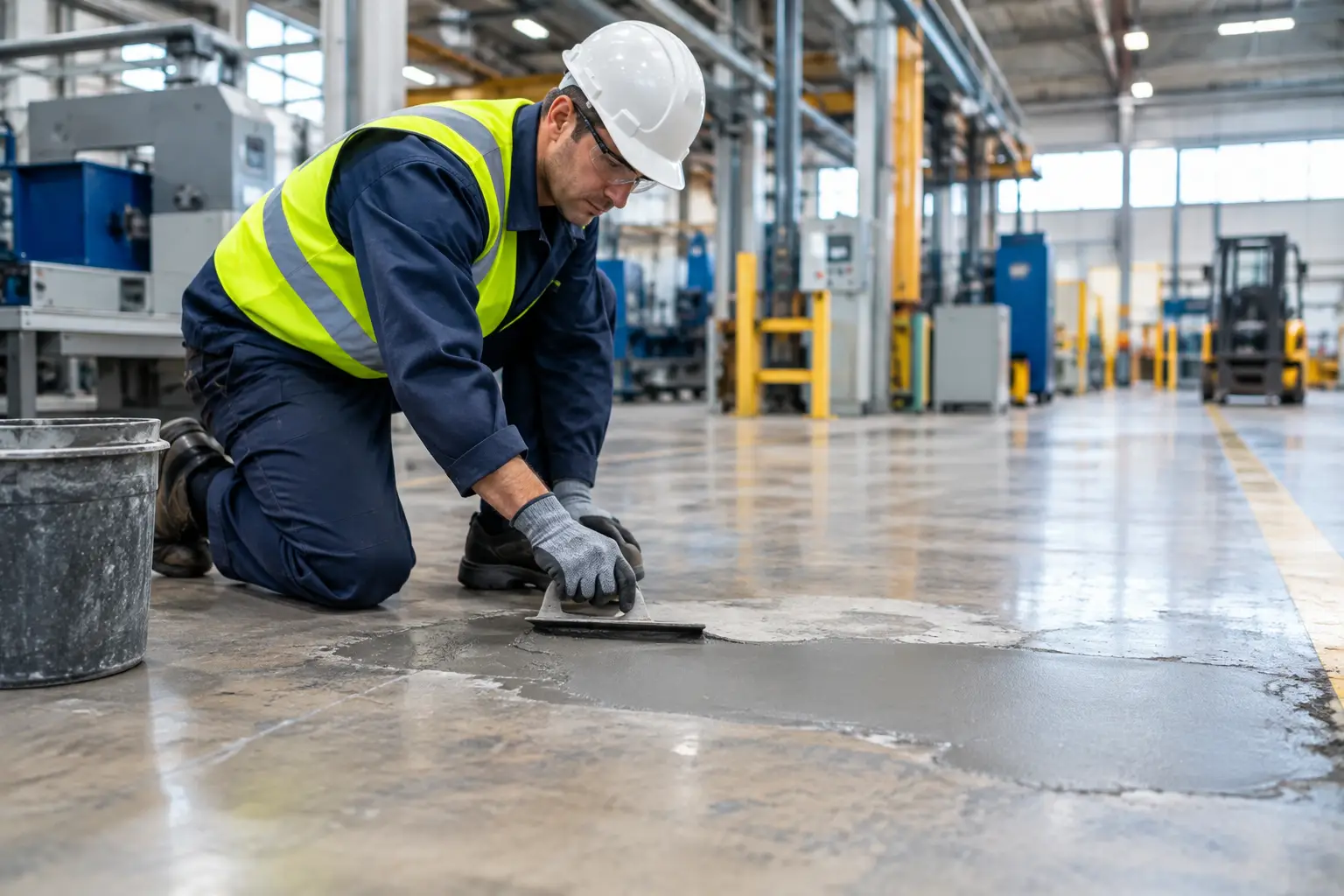
Concrete deterioration is more than a maintenance issue. Spalls, cracks, delamination, uneven patches, and failing repairs create trip hazards and introduce shock loads to forklifts, pallet jacks, and carts. They also trap debris and moisture, making cleanup less effective and surface conditions less predictable.
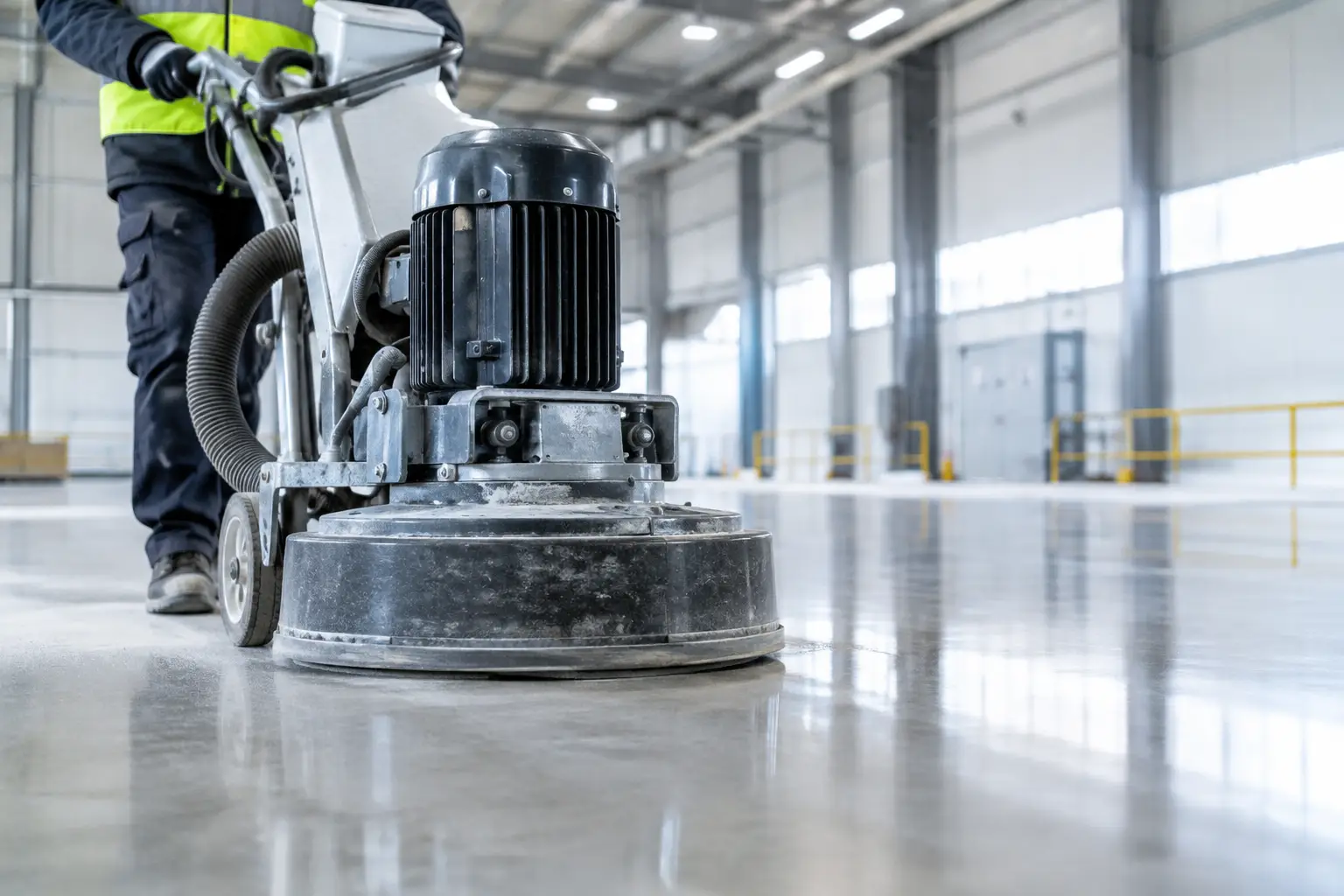
Floor upgrade and grinding work can correct surface irregularities, remove unsound material, and prepare the substrate for a durable repair or protective system. The goal is not simply a cleaner appearance. It is a stable, serviceable surface that allows equipment to travel predictably and workers to move without avoidable hazards.
Grinding is especially valuable where old coatings are failing, concrete has developed high spots, or traffic lanes have become rough and difficult to maintain. The correct level of surface preparation depends on the final floor system, the condition of the slab, and the operational constraints of the site. Removing too little leaves weak material in place. Removing more than necessary can extend schedule and cost. Professional evaluation keeps the scope focused on performance.
Repair Joints Before They Become Travel Hazards
Joints are designed to accommodate concrete movement, but they are commonly among the first locations to fail under repetitive hard-wheel traffic. Broken joint edges create jolting equipment movement, reduce load stability, and accelerate damage to both the slab and material-handling equipment.
Floor and joint repair should address the cause as well as the visible damage. The repair material must be suitable for the traffic, loading, movement, and cure-time requirements of the facility. In a high-traffic aisle, a repair that cannot withstand hard-wheel impact will fail early, regardless of how clean it looked after installation.
Timely joint repair also limits the size and cost of future remediation. Once a damaged edge breaks down, the affected area expands with every pass of a loaded vehicle. Scheduling targeted repairs during planned maintenance windows is usually less disruptive than waiting for a condition that requires lane closures or emergency work.
Match Slip Resistance to Cleaning and Process Conditions
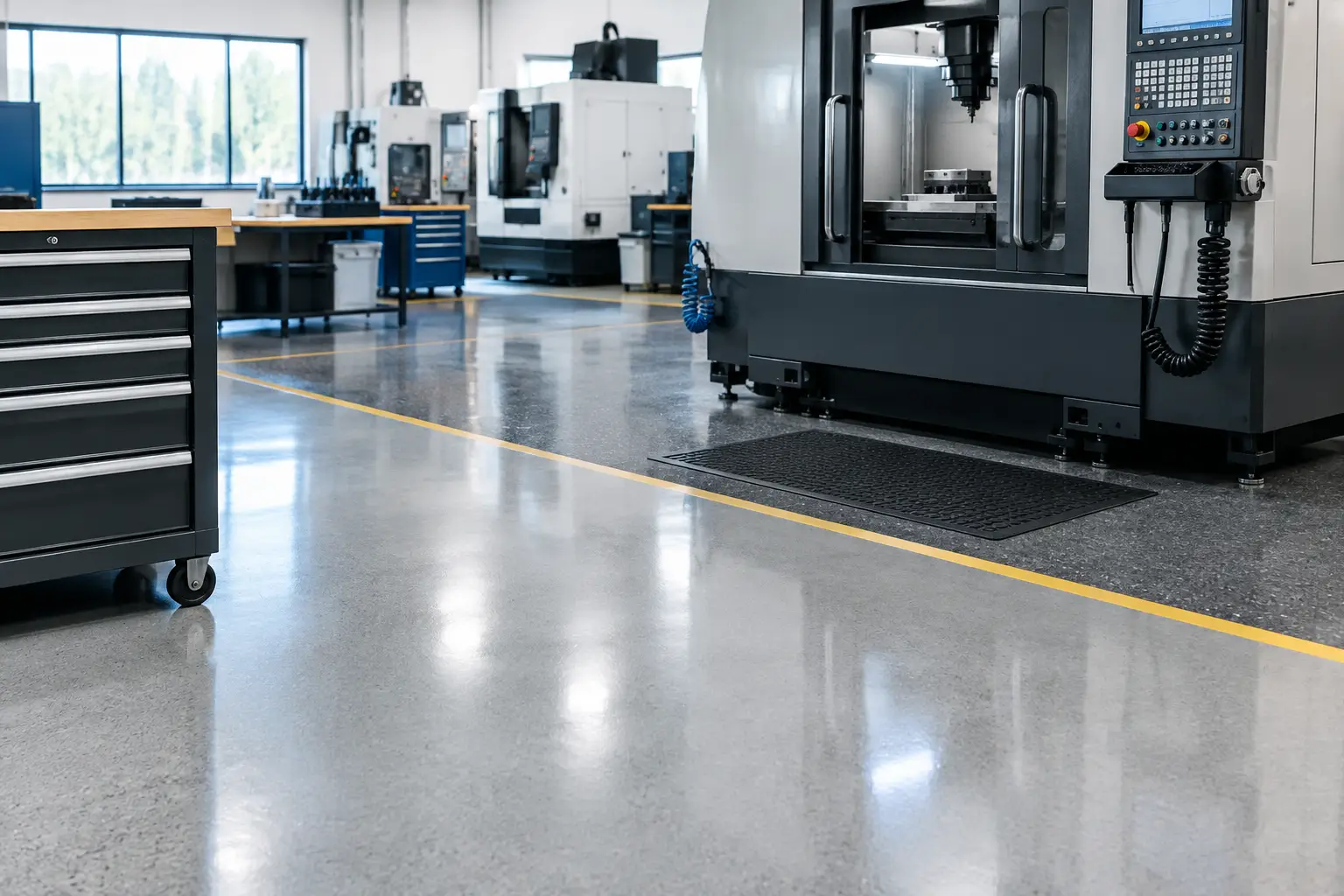
Slip resistance is a critical safety control, but it should be engineered rather than assumed. The surface needs enough texture to provide traction under expected contaminants, including water, oil, grease, dust, or process residue. At the same time, the texture must remain cleanable and practical for the equipment used in that space.
This balance matters in facilities with strict sanitation standards. Deep profiles can retain contaminants if cleaning tools cannot reach them effectively. In dry production or warehouse areas, excessive texture can make rolling traffic less efficient and increase tire wear. The best result is a floor profile tailored to the contaminant, cleaning method, and traffic type in each zone.
Chemical resistance is part of the same decision. A floor system that softens, stains, or loses bond after exposure to cleaning agents can become unsafe long before it appears structurally compromised. Confirm chemical exposure, concentration, temperature, contact time, and cleaning frequency during specification. Small differences in process chemistry can materially change the appropriate flooring system.
Improve Equipment Control With Flat, Predictable Floors
For very narrow aisle operations, floor flatness is directly connected to equipment stability, rack access, and productivity. Superflat VNA floors are designed to support the precise travel requirements of specialized lift trucks operating in narrow aisles. Variations that may be tolerable in a general warehouse can affect guidance, mast behavior, load handling, and operator confidence in a VNA environment.
A superflat floor is not necessary for every plant area. It is a targeted investment for operations where high-density storage and narrow-aisle equipment demand controlled travel. The specification should reflect the truck type, wheel configuration, aisle layout, rack height, and traffic pattern. Measuring and verifying the finished floor against the required tolerances is essential.
Wire guidance adds another layer of control where guided equipment is part of the operation. Proper installation helps equipment maintain its intended path, reducing the opportunity for rack strikes, aisle drift, and inconsistent travel. Because wire guidance is embedded within a working floor, the installation must be coordinated with the slab condition, layout, equipment requirements, and schedule. Precision is not optional in these applications.
Reduce Exposure by Eliminating Problem Areas
Jointless floors can reduce maintenance demands and remove many of the discontinuities associated with conventional joint layouts. In the right application, they create a more continuous surface for wheeled traffic, cleaning, and process flow. This can be particularly useful in areas exposed to intensive traffic, hygiene requirements, or equipment that performs poorly over frequent joints.
Jointless construction is not a universal replacement for all concrete jointing strategies. The slab design, building movement, thermal conditions, load requirements, and placement sequence all affect whether it is appropriate. The point is to reduce unnecessary interruptions in the floor while providing a system that manages the movement and stresses the facility will actually experience.
Transitions also deserve attention. Changes between coatings, concrete slabs, dock areas, drains, ramps, and equipment pads can become overlooked hazards. A safe floor plan treats these interfaces as part of the system. Smooth, durable transitions reduce trips, equipment impact, and areas where water or debris can collect.
Plan the Work Around Uptime
A high-performance floor project should not force a facility to accept unnecessary production loss. Effective planning starts with understanding which areas are critical, when traffic can be rerouted, how materials will enter the site, and how cure time affects reopening. Phased installation, off-shift work, and defined access controls can keep operations moving while work is completed safely.
This requires discipline from the contractor and clear communication from the facility team. Temporary routes must be practical for equipment. Repair areas must be protected until they reach service strength. Dust, noise, odors, and surface-preparation debris must be managed around active production, inventory, and employees.
The lowest initial price can become the highest operational cost if a project overruns, repairs fail early, or reopening is delayed. Evaluate flooring work on lifecycle performance, installation quality, schedule control, and the contractor's ability to execute in an active industrial environment. Those factors determine whether safety improvements continue to deliver value after the crew leaves.
Make Floor Safety a Managed Standard
Floor safety improves when inspection becomes routine rather than reactive. Supervisors should have a clear process for reporting loose coatings, damaged joints, standing water, polishing or wear in traffic lanes, and changes in traction. Maintenance teams should know which conditions require immediate barricading and which can be scheduled for planned repair.
Document recurring issues by location and operating condition. If the same joint fails repeatedly, or a washdown area remains slippery despite frequent cleaning, the problem may be in the floor design rather than the maintenance response. That information supports better specifications for upgrades and capital planning.
Osis Group approaches industrial flooring as an operating surface, not a finish. The standard is a floor that performs under the conditions that matter: real traffic, real cleaning, real loads, and real production schedules.
The most effective safety investment is often the one that removes a daily friction point before it becomes an incident, an interruption, or a larger repair. Build that discipline into the floor, and the plant has a stronger foundation for every shift that follows.