A resin flooring comparison should begin at the point of failure, not with a color chart or a generic product preference. In industrial facilities, the right system must carry the actual conditions of the operation: forklift traffic, point loads, thermal shock, aggressive cleaning, chemical exposure, moisture vapor, and limited shutdown windows. A floor that looks good at turnover but cannot tolerate the process is not a successful floor.
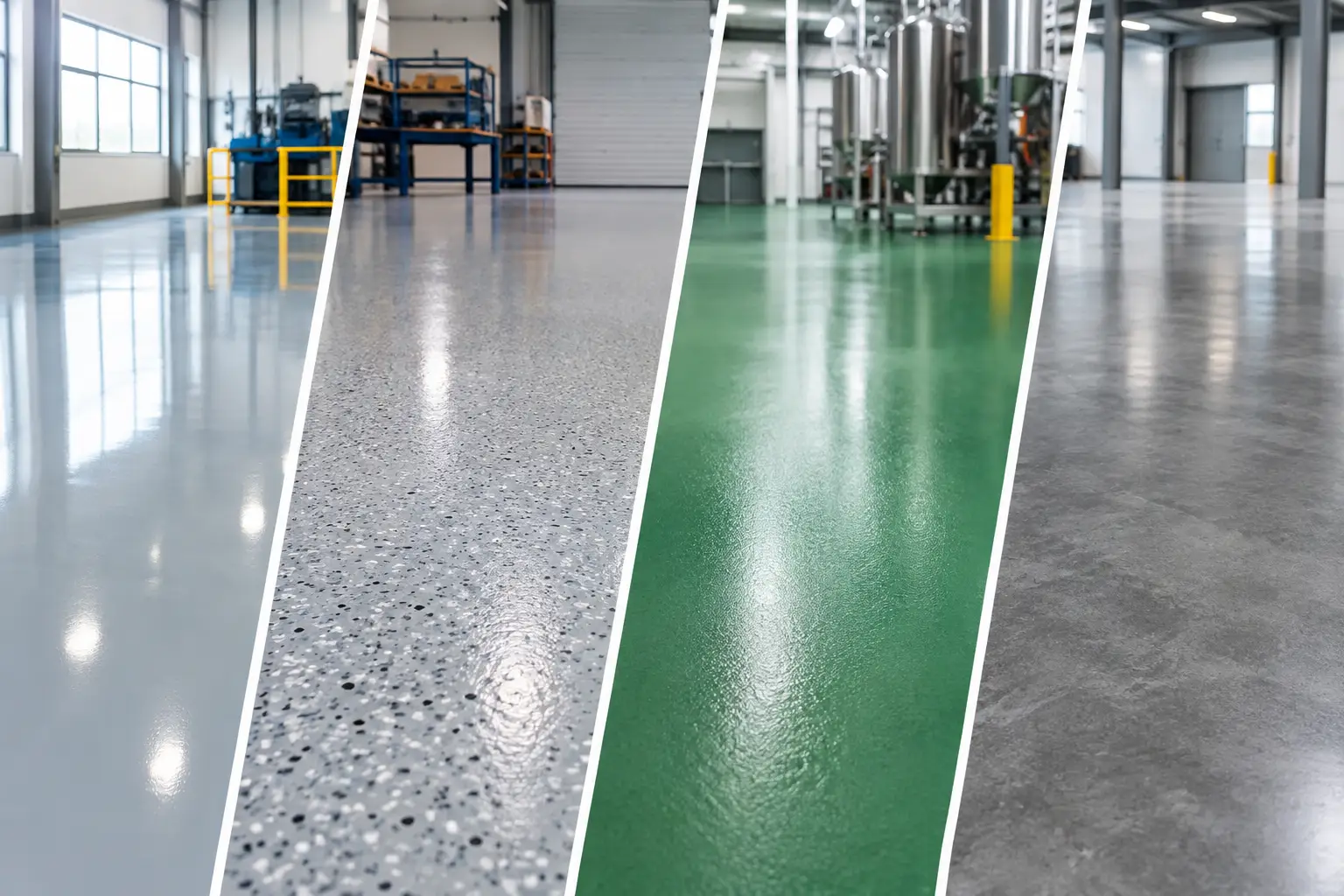
The most common resin systems - epoxy, urethane cement, polyurethane, and methyl methacrylate (MMA) - each solve different problems. Material selection matters, but so do concrete condition, surface preparation, detailing, cure time, and installation sequencing. The highest-performing product cannot overcome poor preparation or an incomplete specification.
Resin Flooring Comparison: Start With Operating Conditions
The correct resin system depends on how the floor will be used every day. A distribution center with continuous forklift traffic has different requirements than a food processing room with hot washdowns. A battery room, chemical containment area, manufacturing line, commercial kitchen, and packaging facility may all require resin flooring, but they should not automatically receive the same specification.
Before selecting a system, facility teams should define the practical conditions that drive lifecycle performance. These include substrate moisture, the age and condition of the slab, traffic type and frequency, temperature changes, exposure to oils or chemicals, cleaning methods, slip-resistance needs, and acceptable downtime. Joint condition also requires attention. A high-performance coating over failed joints, damaged concrete, or active movement will not correct the underlying issue.
For active facilities, the installation plan is part of the specification. Shutdown duration, access restrictions, phased work, odor sensitivity, and return-to-service requirements all affect the best choice. The lowest initial installed cost can become the most expensive option if it creates premature repairs or interrupts production.
Epoxy Flooring: Durable and Versatile, With Limits
Epoxy is widely used because it provides strong adhesion, a dense finish, good abrasion resistance, and broad chemical resistance. It is a practical choice for many warehouses, manufacturing areas, laboratories, maintenance spaces, and commercial back-of-house environments. Epoxy systems can also be built in different thicknesses, from thin-film coatings to thicker mortar systems intended for heavier service.
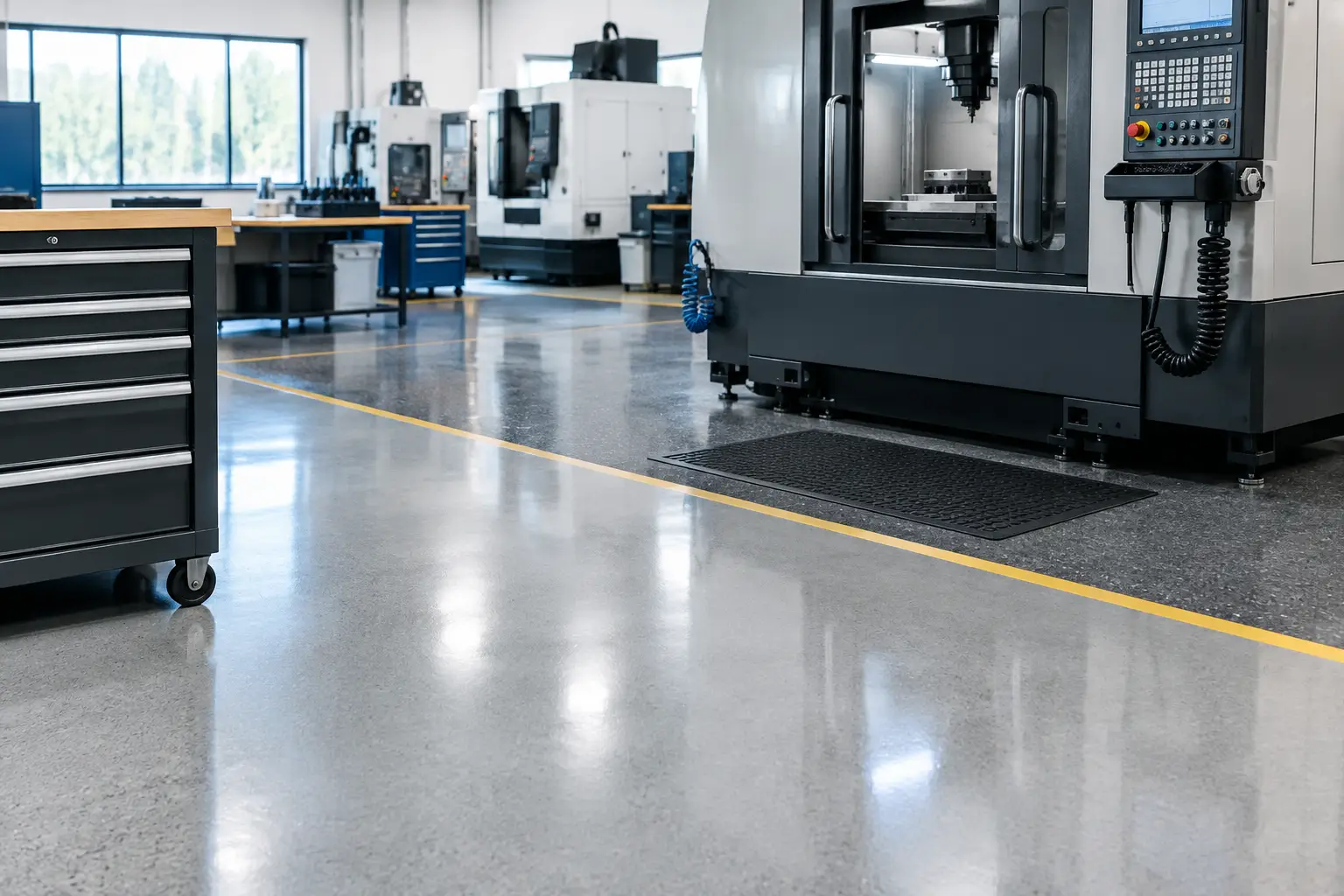
For standard industrial traffic and moderate chemical exposure, epoxy often provides a cost-effective long-term solution. It can create a cleanable, jointless surface that improves housekeeping and supports a more controlled operating environment. Decorative flake or quartz broadcast systems can add texture, color zoning, and slip resistance where needed.
Its limitations should be specified clearly. Standard epoxy can be less tolerant of thermal shock than urethane cement, particularly in areas with steam cleaning, hot-water washdowns, or repeated rapid temperature changes. Some epoxies can also yellow under ultraviolet exposure, making them less suitable for areas with significant sunlight unless protected with an appropriate topcoat. Moisture vapor transmission from the slab must be evaluated before installation. If it is ignored, bond failure, blistering, or delamination can follow.
Urethane Cement: Built for Thermal and Wet Processing Areas
Urethane cement, also called polyurethane cement, is typically the stronger choice in severe wet-process environments. It is designed to tolerate thermal cycling, hot washdowns, moisture conditions, and demanding cleaning routines that can challenge standard epoxy systems. Food and beverage processing, commercial kitchens, cold storage transitions, breweries, dairies, and pharmaceutical operations are common applications.
This material combines resin chemistry with cementitious components to form a highly durable system. It is frequently installed at greater thicknesses than thin-film coatings and can be finished with broadcast aggregate for additional traction. In areas where slip resistance is necessary, texture must be balanced against cleanability. An overly aggressive finish can retain debris and complicate sanitation.
Urethane cement has a higher installed cost than basic epoxy in many cases, but the comparison should be based on service conditions and expected maintenance. Where heat, moisture, and washdown exposure are routine, specifying a lower-cost material that fails early is not a cost-saving decision. Proper cove bases, drains, transitions, and wall interfaces are equally important. Water finds weak details quickly.
Polyurethane Coatings: Flexible Topcoat Protection
Polyurethane coatings are commonly used as protective topcoats over epoxy or other resin systems. They offer good abrasion resistance, chemical resistance, and greater flexibility than many standard epoxies. Their ultraviolet stability also makes them useful in areas exposed to natural or high-intensity artificial light, where color retention matters.
In an industrial floor system, a polyurethane topcoat can improve wear performance and help retain a cleaner appearance over time. It may be selected for manufacturing, assembly, retail-adjacent commercial spaces, and areas where appearance and cleanability are both priorities. Different formulations can be selected for specific chemical exposures, but chemical compatibility should always be verified against the actual materials in use.
Polyurethane is not a substitute for a properly built floor system. It is generally not intended to correct slab defects, bridge major movement, or provide the same thermal-shock resistance as a properly specified urethane cement system. Its value is greatest when it is part of a complete system designed around the facility's service conditions.
MMA Flooring: Fast Return to Service
MMA flooring is often selected when time is the controlling factor. These systems can cure rapidly, allowing areas to return to service much sooner than many conventional resin installations. That makes MMA a strong option for operational facilities that cannot afford lengthy shutdowns, including retail distribution environments, commercial kitchens, manufacturing plants, and repair projects requiring phased execution.
The rapid cure is a major advantage, but it comes with planning requirements. MMA materials have a distinct odor during installation, and ventilation, occupied areas, and nearby operations must be considered before work begins. Installation quality remains critical. Fast cure does not reduce the need for thorough surface preparation, controlled mixing, correct temperatures, and experienced application.
MMA can provide a durable, chemical-resistant surface and can be configured with broadcast aggregate for traction. It is particularly valuable when schedule risk carries a high operational cost. If the facility can isolate the work area and manage installation conditions, its speed may justify the higher material cost.
Surface Preparation Decides Whether the System Performs
Resin flooring is only as reliable as its bond to the concrete. Surface preparation is not a preliminary task to minimize. It is a central part of the finished floor system.
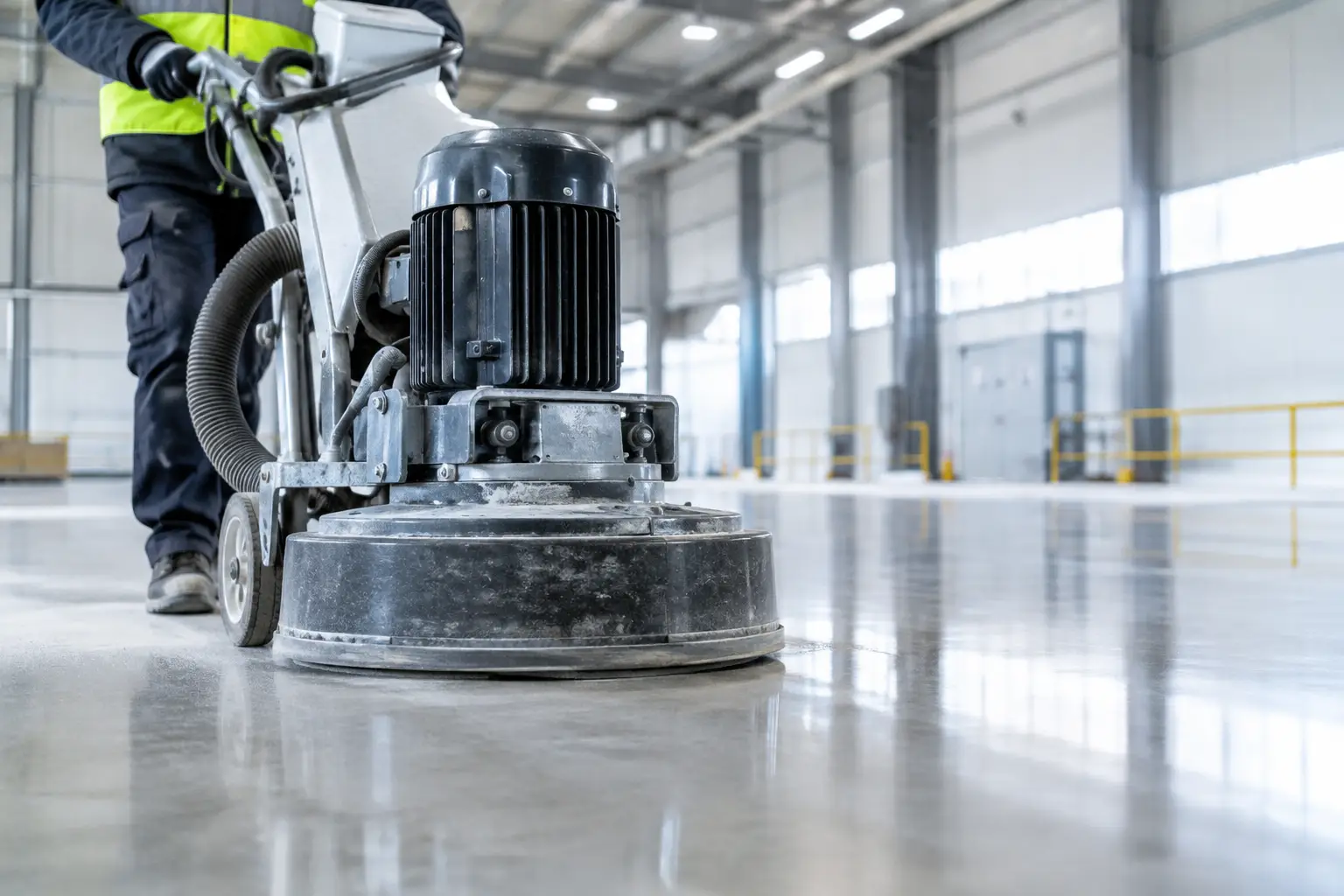
Mechanical preparation removes weak concrete, contaminants, old coatings, curing compounds, and laitance while establishing the correct surface profile for the selected material. Depending on the project, this may involve shot blasting, diamond grinding, scarifying, or localized concrete repair. The method should match the slab condition and the system thickness.
Moisture testing is also essential. Moisture vapor can migrate through concrete for years, and visible dryness does not confirm that a slab is suitable for direct resin application. Where testing identifies elevated moisture, the system may require a moisture-mitigation component or a different specification approach. Skipping this step can create a failure that appears months after installation, when repair is more disruptive and costly.
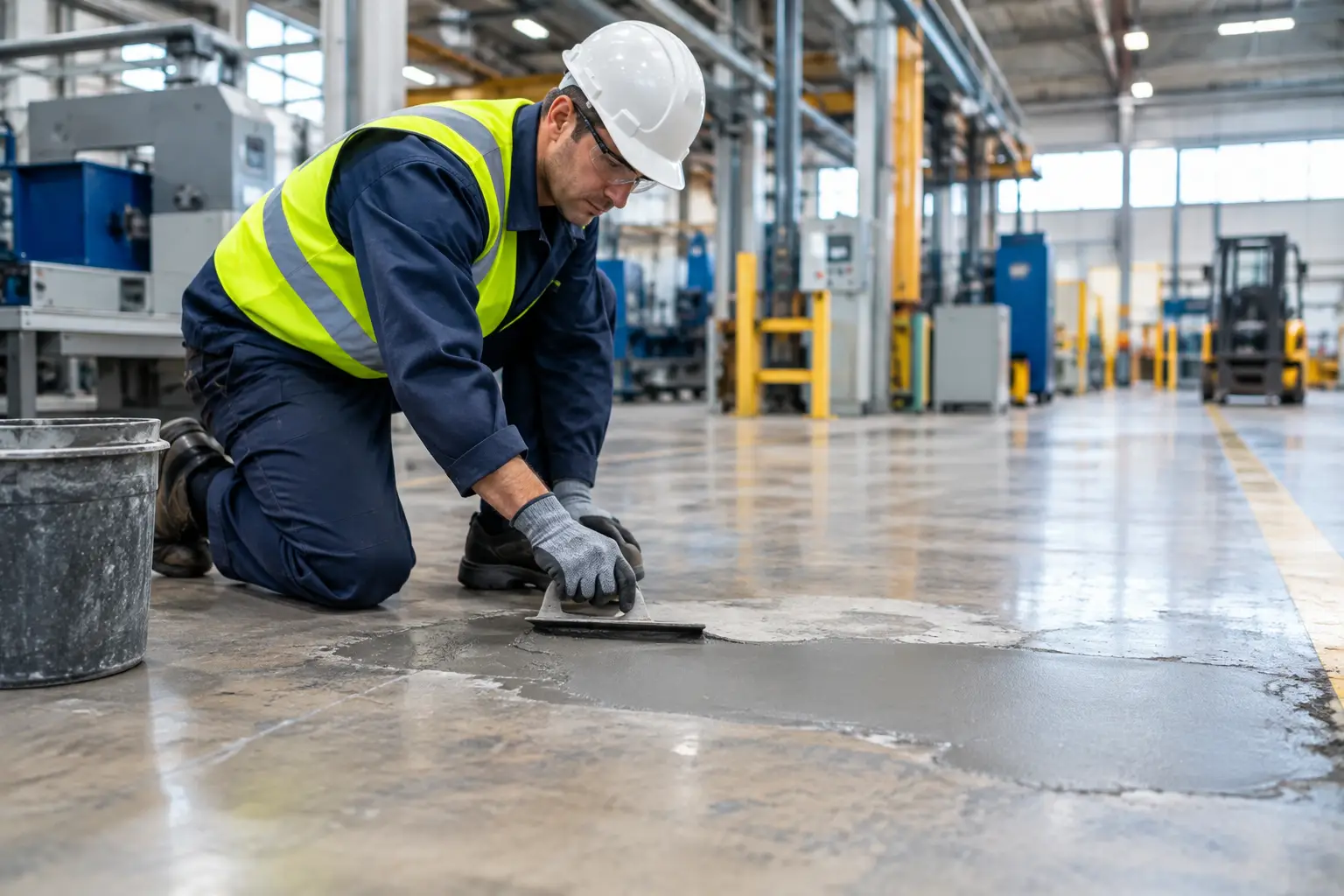
Cracks, spalls, and joints should be evaluated separately from the field coating. Static cracks may be repaired and incorporated into the system. Active joints and moving cracks require appropriate joint treatment because rigid materials cannot permanently stop slab movement. In forklift aisles, damaged joints can create impact, vibration, and wheel damage that accelerate floor deterioration. Joint repair is a performance issue, not a cosmetic item.
Choosing for Lifecycle Value, Not Product Labels
The best resin floor is rarely the material with the broadest marketing claims. It is the system that matches the facility's actual exposure profile, concrete condition, operational schedule, and maintenance capability. An epoxy system may be the right answer for a dry manufacturing area. Urethane cement may be necessary in a hot washdown room. MMA may be the best choice when reopening quickly is non-negotiable. A polyurethane topcoat may extend the life and appearance of a system exposed to abrasion and light.
Specification should also account for thickness, aggregate selection, edge detailing, drainage, coving, joint strategy, and expected maintenance. These decisions affect safety, cleanability, durability, and total cost of ownership more than a product name alone.
For mission-critical facilities, involve the flooring contractor before the schedule and specification are fixed. A field assessment can identify substrate risks, define the correct preparation method, and build an installation sequence that protects production. Excellence in industrial flooring is achieved when the system is designed for the work happening on it, not simply for the day it is installed.